Figuring out your career path in the safety field can certainly be a head-scratcher, especially since fire and safety technology. But trust me, they’re actually quite different when you look at what you cover, the training involved, and where your career might take you. However, if you’re considering a fire technology course, in fact, really understanding these distractions is going to be incredibly helpful.
Whereas fire technology tends to prevent fires. Setting up firefighting systems and managing emergency responses, safety engineering casts a much wider net over general workplace safety.
The core differences between these two areas. We’ll also touch on how a fire technology course could truly set you up for a focused and impactful career.
What Exactly is Fire Technology, Anyway?
On the other hand, it’s a specific field, really focused on keeping fires from starting. Setting up systems to protect against them, understanding how fires behave.
Similarly, a course in fire technology aims to get people ready to manage fire emergencies. Recognise fire dangers, and likewise.
How to plan evacuations and rescue operations. Finally, the whole point of a fire technology course is to really minimise the fire risk.
What about Safety Technology?
This is definitely a much wider field, concentrating on bringing down risks and dangers wherever people work. On the other hand, everything from safety in factories and on construction sites. Environmental safety and looking after people’s health.
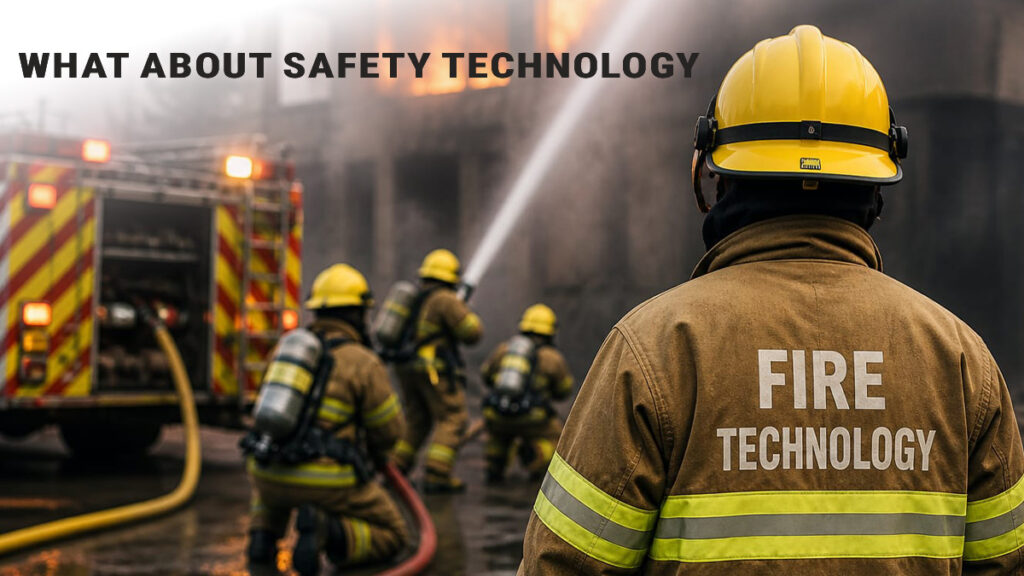
However, the fire safety definitely lies under safety engineering, really far beyond just fire-related dangers.
Although a specialised fire technology course, safety engineering programs delve into a huge variety of subjects like keeping machinery safe, dealing with chemical risks, ergonomics, and even environmental protection.
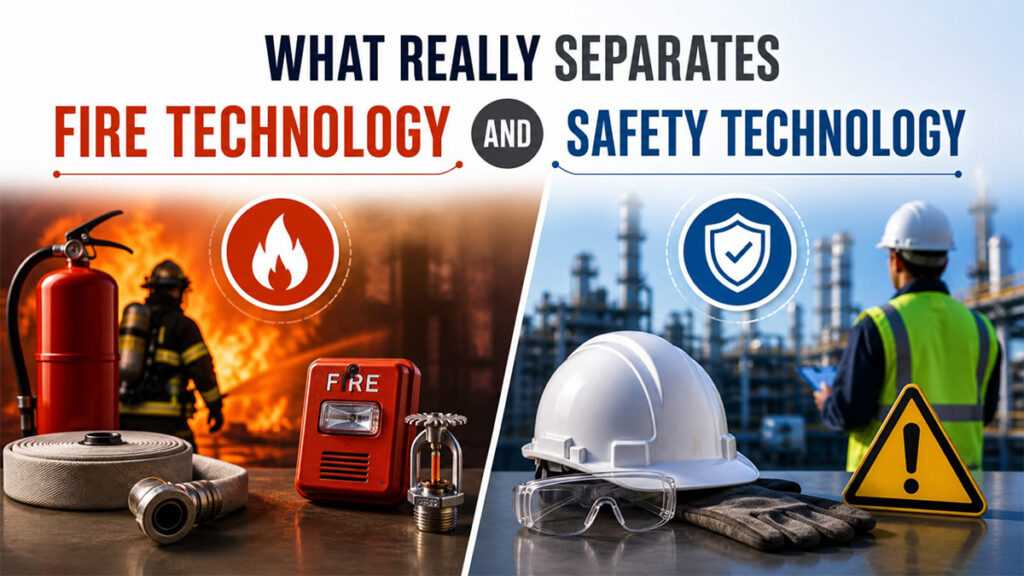
What Really Separates Fire Technology and Safety Technology?
Firstly, the overall scope of what you’d study. A fire technology course really zeros in on fire-related dangers. How to prevent them, and the actual methods for fighting fires.
Safety engineering, however, encompasses all sorts of hazards you might find in a workplace, which means it’s a much broader area.
A fire technology is truly specialised, dealing exclusively with safety. However, Safety engineering takes a more generalised view, touching on many different parts of safety management.
Thinking About Career Roles, After You Have Completed Your Fire Technology Course.
However, Graduates from safety engineering programs might end up as. Safety officers, HSE officers, or even risk assessment specialists.
When it comes to industry demand, both fields are in high demand. However, a fire technology course really shines and is especially useful in sectors such as oil and gas and at airports. In high-rise construction, places where the risk of fire is naturally much greater.
And finally, let’s consider the training approach itself. A fire technology course will throw you into a lot of practical scenarios. Think fire drills, actual rescue operations, and learning how to handle all sorts of equipment.
Safety engineering, on the other hand, is more about the bigger picture- planning. Carrying out audits tends to focus more on the strategic side: planning things out, conducting audits, and making sure all the regulations are being met.
FAQs
1. Who exactly is this king of course for?
If you are thinking about a career in firefighting or stepping into emergency response, then this course belongs to you.
2. What kinds of studies do you do in this course?
You can expect to dive into how to prevent fires and understand different fire protection systems. While you learn about rescue operations, you get hands-on training with safety equipment. This is all covered in this course.
3. What about government positions?
However, taking a fire technology course can certainly give you what you’re aiming for: positions within fire departments or other public safety roles.
4. Could you move into something like safety engineering after finishing this course?
However, after you finish the course, you can explore more types of safety jobs and a wider variety of safety-related roles. It gets even easier if you learn additional skills or earn certifications.
5. Are Entrance exams required for admission to this course?
Due to this, some colleges ask you to take an entrance exam for their fire technology course. But then you’ll find other colleges as well that offer direct admission easily.
Overall, both fire technology and safety engineering courses certainly offer some really promising career paths. But ultimately, your choice will come down to. However, to consider your genuine interests and what your career goals are.
A fire technology course is just perfect if you’re looking for a hands-on career. A highly impactful role and a stable job. Given how important safety is becoming in every industry today. Jumping into a fire technology course could truly be a smart decision that sets you up well for the future.